


ph789 | The Rise of Strategy Games: A Deep Dive into the World of Tactical Challenges
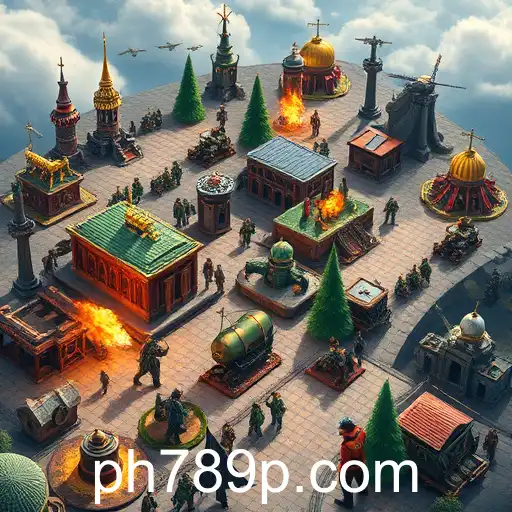
In the vast and diverse world of gaming, strategy games have carved out a significant niche, captivating millions of players who relish the opportunity to engage in tactical thinking and strategic planning. Over the years, these games have evolved from simple board games to complex virtual experiences, offering intricate challenges that require players to think critically and plan several moves ahead.
The roots of strategy games can be traced back to ancient board games like Chess and Go, which laid the foundation for modern strategy-based gameplay. With the advent of digital technology, strategy games have taken on new forms, from real-time strategy (RTS) games like StarCraft to turn-based strategy games such as Civilization and Total War.
One of the key features that make strategy games distinct is their emphasis on decision-making. Players must assess multiple variables, allocate resources efficiently, and anticipate opponents' moves to achieve victory. This strategic depth has led to a dedicated fanbase that appreciates the intellectual challenge presented by these games.
In recent years, strategy games have expanded their appeal, incorporating innovative mechanics and immersive narratives that attract a broader audience. Games like XCOM and Fire Emblem blend strategic combat with engaging storylines, fostering an emotional connection between players and their in-game characters.
The impact of strategy games extends beyond mere entertainment. Studies suggest that playing these games can enhance cognitive abilities, such as problem-solving, multitasking, and strategic thinking. Additionally, multiplayer strategy games offer a social aspect, where players can collaborate and compete with others globally, fostering a sense of community and camaraderie.
As technology continues to advance, the future of strategy games looks promising. With the rise of artificial intelligence and virtual reality, developers are poised to create even more immersive and challenging experiences for players.
Strategy games are more than just a form of entertainment. They are a testament to the human capacity for strategic thought and problem-solving. Whether on a digital screen or a physical board, the allure of outsmarting an opponent and achieving victory continues to captivate players around the world.
